Best Plaster Solutions
When you bring in qualified plaster experts, you ensure flawless surface readiness, expertly mixed materials, and uniform application-whether working with cement, lime, or gypsum plasters. Expert craftsmen use high-quality trowels, hawks, and sophisticated techniques to deliver long-lasting, solid, and perfect finishes. They protect structural integrity and boost fire resistance, blending traditional craftsmanship with modern standards. By selecting experts, you reduce callbacks and costly errors, while preserving both heritage character and architectural details. Find out more about what sets apart true professionals in this field.
Critical Insights
- Skilled plaster artisans create long-lasting, flawless surfaces by implementing advanced techniques and materials specifically designed for individual project specifications.
- Skilled plasterers deliver complete surface preparation, preventing defects and ensuring durable structural integrity in residential and commercial projects.
- Skilled contractors offer a selection of specialties, including traditional cement, lime, and gypsum plasters, together with decorative and heritage work.
- Employing experienced experts secures alignment with safety standards, project timelines, and superior workmanship that elevates both visual appeal and lasting quality.
- Working with skilled plasterers assists in decreasing waste of materials, managing costs, and achieving outcomes that harmonize perfectly with architectural details and original features.
The Importance of Skilled Plastering in Construction
Even though plastering is often seen as the last step, quality plastering work is crucial for both the strength and beauty of any construction project. When you approach plastering with technical expertise, you achieve optimal plaster results-producing a lasting, stable, and uniform finish. Proper surface preparation is critical; you must assess substrates for moisture, contaminants, and unevenness prior to plaster application. When these measures are overlooked, you risk poor adhesion, delamination, or premature surface failure. Experienced plasterers utilize accurate mixing measurements, uniform application methods, and specialized tools to achieve uniform thickness and smooth finishes. By monitoring drying times and surrounding environment, you achieve optimal plaster curing. Finally, choosing superior plaster application protects structural elements and elevates the overall appearance of your construction.
What to Look for When Choosing a Plaster Contractor
Considering how substantially expert plastering influences both durability and visual appeal, choosing the appropriate plaster contractor is a crucial factor in your project's outcome. You must have a contractor with a demonstrated track record in exact application techniques and comprehensive knowledge of plaster material choices. Assess their expertise to suggest materials-such as gypsum, lime, or cement plasters-based on your base, conditions, and quality expectations. Prioritize contractors who demonstrate a strong commitment to plastering protection, including the adoption of personal protective equipment and compliance with site safety protocols. Excellent project management capabilities, attention to surface preparation, and experience in handling both traditional and modern plastering systems are also crucial. Ultimately, a dependable plaster contractor guarantees perfect finishes, adherence to timelines, and enduring structural integrity.
Comprehensive Plastering Services by Expert Professionals
Upon hiring a professional plaster contractor, you benefit from a complete suite of plastering services tailored to different construction and renovation projects. You'll find these experts experienced in implementing traditional lime plaster, gypsum-based plaster, and cement render, each needing precise selection of plaster mix for perfect adhesion and durability. Contractors can perform internal wall skimming, external rendering, patch repairs, and decorative cornice work. They evaluate substrate conditions, modifying the plaster mix ratio to match specific surfaces-ensuring crack resistance and longevity. Experienced applicators employ advanced finishing techniques such as trowel polishing, sponge floating, or sand-textured finishes for both decorative and functional results. Whether you require smooth walls or elaborate textures, professional plasterers deliver tailored solutions using premium materials and methodologies.
Top Reasons of Hiring Skilled Plasterers
By employing skilled plasterers, you'll receive a superior finish with consistent texture, sharp edges, and lasting performance. Their professional skill reduces material waste and streamlines application, saving you both time and money. You'll experience professional methods that maximize productivity without sacrificing standards.
Exceptional Quality and Longevity
While contemporary materials offer a range of possibilities, seasoned plasterers regularly deliver an exceptional finish and remarkable durability that separates their work apart. You'll appreciate their careful approach to preparing surfaces, which maintains perfect adhesion and a flawless substrate. Adequately prepared surfaces reduce problems like splitting, separation, or irregular settling, boosting the enduring performance of plaster systems. Experienced contractors also specialize in specialized surface finishes, from fine trowel to elaborate Venetian or rustic, adjusting each application to your project's requirements. Their technical proficiency enables them to unite traditional methods with modern innovations, producing surfaces that resist damage, dampness, and everyday use. By trusting experienced plasterers, you receive not only aesthetic excellence but also structural durability, confirming your walls and ceilings stand the test of time.
Time and Cost Efficiency
With their refined techniques and extensive get more info material expertise, skilled plasterers deliver streamlined execution at all plastering operations - from surface prep work to the final finish. Expert plasterers reduce completion times by carefully coordinating material application sequences, drying times, and work scheduling. Their extensive experience helps prevent expensive errors, such as incorrect substrate preparation or inconsistent material thickness, which typically require rework and corrections. By selecting professional services, you guarantee maximum material effectiveness, decreasing material loss and eliminating extra costs.
Moreover, qualified plasterers create premium plastering results and detailed decorative features within deadlines, balancing performance with aesthetic excellence. They use cutting-edge tools and proven procedures, guaranteeing your project maintains its timeline and within budget. This effective approach results in reliable costs and dependable results, optimizing both return and project efficiency.
Essential Errors Expert Plasterers Always Avoid
While every plastering project comes with specific complications, experienced contractors regularly sidestep issues that could damage both the structural integrity and visual appeal of their work. You'll observe that they rigorously adhere to safety guidelines for plastering, ensuring no shortcuts affect job site safety or worker protection. Skilled workers circumvent frequent mistakes such as inadequate base preparation, incorrect mixing ratios, and insufficient curing times-all of which can cause splitting, peeling, or diminished longevity. When handling decorative plastering, they eliminate texture variations and surface flaws through precise application methods and by employing the correct implements. They also resolve challenges including excessive dampness or inadequate adhesion by selecting appropriate products for each setting. In the end, their technical expertise ensures your plasterwork is strong and beautifully finished.
How Plaster Contractors Achieve Smooth and Durable Results
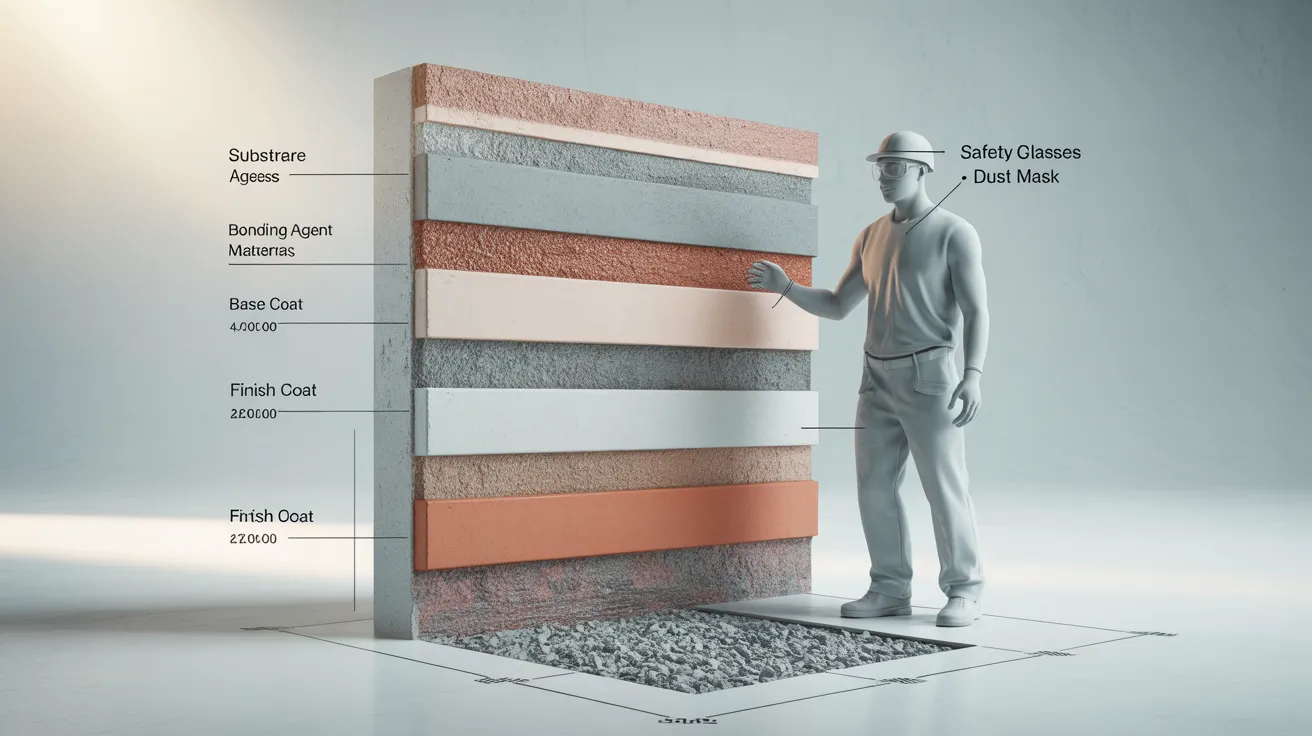
Professional plaster contractors carefully manage each step of the plastering process to produce surfaces that are both smooth and long-lasting. Expert contractors employ professional troweling techniques to eliminate surface imperfections and ensure uniform texture. Careful substrate preparation, including priming and leveling, prevents adhesion failures and cracks. Professionals choose plaster mixes formulated for ideal workability, setting time, and moisture resistance, critical for bathrooms or kitchens where humidity is high. They spread base coats and finish coats with exactness, keeping consistent thickness to prevent weak spots. For decorative finishes, professionals utilize specialty plasters and tools, producing intricate textures or high-sheen surfaces without sacrificing durability. Focus on curing times and environmental conditions ensures a robust, defect-free result that stands the test of time.
The Importance of Plastering in Renovation and Restoration Efforts
As you approach restoration or renovation projects, plastering plays a pivotal role in protecting heritage value and enhancing structural performance. It's clear that skilled plaster contractors assess substrate conditions, fix structural issues, and specify appropriate plaster systems to blend with or upgrade existing surfaces. Plastering extends past basic restoration; it's about re-creating the original character. Whether you're restoring intricate trim or renewing walls with artistic finishes, precise application methods ensure perfect integration with the original architecture. Artistic finishes can replicate period craftsmanship, offering both visual cohesion and genuine texture. By using appropriate substances and respecting architectural details, you safeguard your building's heritage while increasing durability, insulation, and fire resistance. Ultimately, thorough plastering work elevates both decorative and structural outcomes in your project.
Essential Tools and Methods Used by Professional Plasterers
While plastering might seem simple, skilled plasterers utilize a specialized arsenal of tools and advanced techniques to create flawless, enduring results. You'll discover that specialists use premium plastering tools and equipment to produce level, consistent surfaces. Precision mixing paddles make certain plastering compounds reach the perfect consistency for strong bonding and reduced cracking. Plasterers expertly apply base coats and finishing plasters, using guides and feathering techniques to achieve crisp corners and seamless joins. For decorative finishes, they often employ specialized brushes, texturing combs, or stencils, producing intricate patterns and unique textures. Mastery of these tools and techniques enables you to attain both structural integrity and visual beauty, ensuring your plasterwork impresses for its expertise and long-lasting performance.
Key Cost Factors When Hiring Plaster Contractors
Understanding the cost factors involved in hiring plaster contractors is essential for accurate project planning, as costs can differ substantially. Start by examining all cost elements, considering labor rates, which change according to contractor expertise and project complexity. Material selection - like lime, gypsum, or cement plaster - directly affects overall expenses, as do surface conditions requiring preparation. Project size and architectural details, like curved surfaces or ornamental work, further affect cost calculations. Consider site accessibility, as challenging access points may raise working expenses. For precise budget planning, ask for itemized estimates, ensuring all elements - such as scaffolding, cleanup, and waste disposal - are factored in. By assessing these factors, you'll gain a thorough grasp of the investment needed for superior plasterwork on your build.
Important Considerations When Picking the Perfect Plastering Professional for Your Project
To achieve superior results and long-lasting durability with your plasterwork, selecting a qualified professional is vital. Start by reviewing the specialist's previous projects, particularly seeking samples of artistic textures that match your design preferences. Assess their expertise in premium materials such as Venetian plaster or lime-based systems, and verify their technical expertise in preparation and finishing techniques. Make sure to confirm proper licensing, insurance, and client references to validate trustworthiness and adherence to safety standards. Thoroughly discuss completion dates, supply sourcing, and care instructions. Don't hesitate to arrange a sample of any specialized finish to assess craftsmanship. By focusing on technical prowess and artistic vision, you'll secure a plaster contractor who delivers exceptional results.
Popular Questions
What's the Typical Curing Time for Plaster?
While handling plaster, you need to recognize that the drying time and curing process differ. Typically, plaster reaches initial dryness within 24-48 hours, according to temperature and humidity. Nevertheless, total curing requires more time-usually 4-6 weeks. During the curing phase, moisture gradually evaporates, enabling the plaster to reach its highest hardness and durability. Avoid trying to paint or finish the surface until the curing process is complete to prevent damaging the finish.
Is it Possible to Plaster During Extreme Weather?
Are you aware that plaster's hardening process can drop by up to 50% in temperatures under 5°C? While working with plaster in extreme conditions, you encounter significant challenges like quick drying, cracking, or slow curing. To tackle these problems, you need to use temporary enclosures, heaters, or insulation materials. Proper insulation enhances the curing process, maintaining ideal temperatures and humidity, guaranteeing your plaster reaches the desired durability, strength, and surface finish.
Is Plastering Safe for People With Allergies or Asthma?
In terms of allergy considerations and asthma safety, you need to know that plastering often produces airborne particles and volatile substances during mixing and application. If you have allergies or asthma, you should prioritize adequate air circulation and implement dust control measures. Opt for plaster materials with minimal VOCs or allergens to reduce irritants. Don't forget to utilize personal protective equipment like masks and goggles. After curing, correctly applied plaster usually produces minimal irritants, but early protective steps are necessary for sensitive individuals.
What's the Environmental Footprint of Today's Plastering Materials?
Are you aware of the impact your plaster materials impacts the environment? Today's plaster commonly uses gypsum, which needs substantial power for harvesting and production, increasing carbon emissions. However, you can choose eco friendly alternatives like lime-based plasters, which take in CO₂ during hardening. Producers now embrace green practices, featuring recycled materials and energy-efficient kilns. By selecting these alternatives, you'll assist in decreasing the environmental impact while maintaining premium finishes.
What's the Best Way to Maintain Plastered Surfaces?
To keep plastered surfaces looking their best, you should regularly perform surface cleaning using a soft brush or slightly wet cloth to clean away dust and debris, steering clear of abrasive materials that could damage the finish. Be sure to verify paint compatibility before applying any new coatings, ensuring the plaster is properly dried and free of moisture. Regularly check for cracks or detachment, and fix minor issues promptly to prevent moisture ingress and protect structural integrity.
Closing Remarks
Partnering with skilled plaster contractors guarantees high-quality and flawless outcomes. You'll avoid shoddy shortcuts and obtain durable surfaces, thanks to their professional expertise and superior standards. With their mastery of materials, meticulous approaches, and advanced equipment, your construction benefits from both aesthetics and durability. Never minimize the impact dedicated plasterers offer dependable results, maximizing your value and reducing errors. Choose wisely, and your project will last for generations.